
Hi, I'm Tristan Wernli
Welcome to my portfolio. Here you’ll find a curated collection of case studies from warehouse automation, supply chain, industrial engineering, digital transformation and industrial perspectives. Scroll down or use the buttons below to navigate by topic.
Warehouse Automation
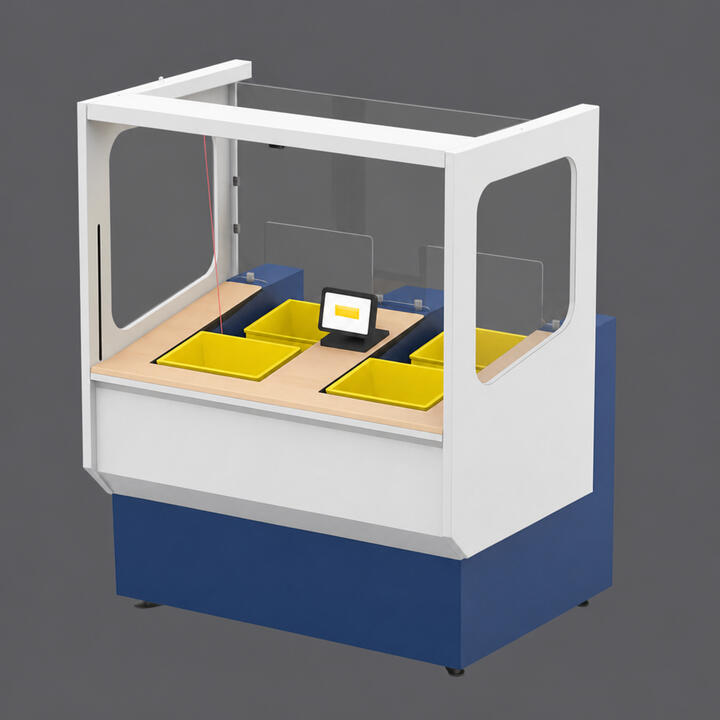
Warehouse Automation
Highspeed Workstation
A high-performance commissioning workstation can turn peak-driven dental fulfillment into a stable and predictable process. Goods-to-person workflows, ergonomic design and guided picking help increase throughput, reduce operator strain and maintain picking accuracy without adding staff. This case study explains the business challenge, workstation concept and operational impact in more detail.

Warehouse Automation
Robot Picking
Robotic picking can help turn extreme Monday peaks in e-commerce fulfillment into a more stable and predictable workload. By using autonomous weekend pre-picking and prepared buffers, a large share of the backlog can be processed before the regular week starts, without adding weekend staff. The article breaks down the process concept, commercial model and resulting operational improvements.
Warehouse Automation
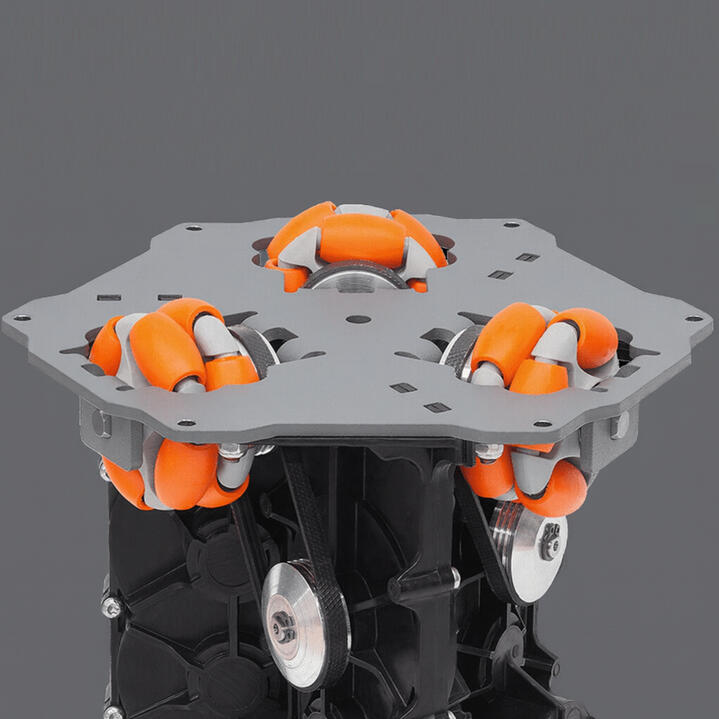
Celluveyor
Technology
Software-defined conveyor technology can make critical material-flow nodes more stable and adaptable in grocery online fulfillment. Omnidirectional diverter and alignment modules help reduce micro-stops, improve carton positioning and keep dispatch flows reliable during peak periods. The article breaks down the material-flow challenge, cv.GO concept and resulting operational improvements.
Machine Learning
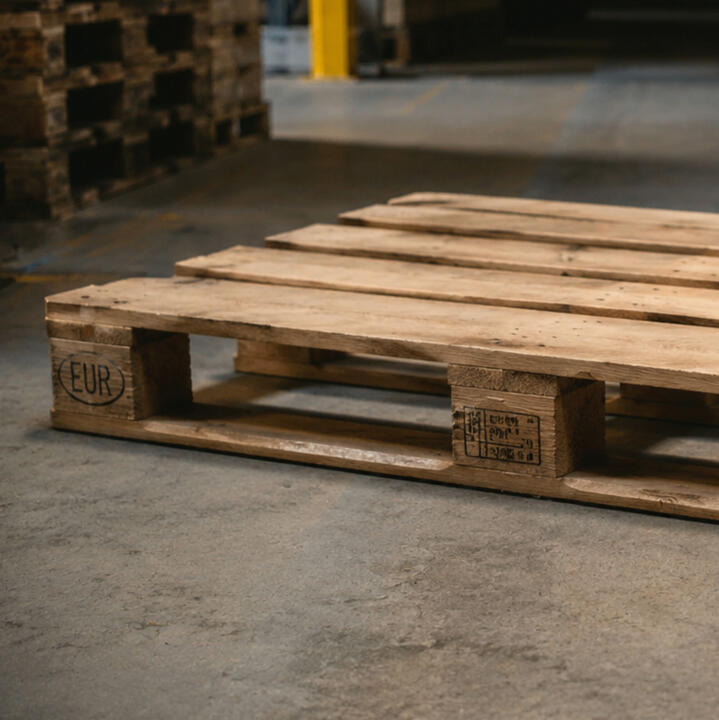
Deep Learning for Pallet Recognition
A visual re-identification model can help turn wooden pallets from interchangeable load carriers into traceable assets within automated warehouse processes. By learning compact image embeddings from wood grain, surface marks and local texture, the system can match new pallet-block images against stored references and support traceability, inspection history and process control. This case study explains the dataset, model approach and re-identification performance in more detail.
Supply Chain Management

Machine Learning
E-Commerce Delivery Time Prediction
Machine learning models create value when data quality, feature design and evaluation fit together. This article shows how e-commerce order data was prepared, transformed into predictive features and used to compare a Linear Regression baseline with a HistGradientBoostingRegressor. It highlights why leakage control, residual analysis and feature importance matter beyond the final score.

Forecasting
Transport Volume Forecasting Analysis
Transport volume forecasting helps logistics teams estimate future delivery volumes and required hub capacity more accurately. This case study compares Excel Forecast Sheet, Holt-Winters and AI-based forecasting using four years of anonymized weekly data from a Swiss transport and logistics company. It shows why forecast accuracy, bias control, calendar effects and operational validation are critical for reliable capacity planning.

Sourcing Strategy
Make-or-Buy Analysis
Manufacturing cost optimization creates value when design, process and sourcing decisions are considered together. This case study shows how a high-volume floor support was analyzed to reduce cost through larger support spacing, riveting instead of welding, more efficient powder coating and lower transport volume. It highlights that successful make-or-buy decisions depend not only on unit cost, but also on lead time, design maturity, standardization and cross-functional planning discipline.
Industrial Engineering

Industrial Manufacturing
Adhesive Bonding Implementation
Adhesive bonding only creates value when mechanical validation, production economics and shopfloor execution are aligned. This case study shows how a wear-prone keyed shaft connection on a diverter roller was replaced by a bonded shaft-hub concept. It explains why the technically strongest solution is not always the best implementation path and why batch size, investment level and process reliability are critical when introducing a new manufacturing method.
Mechanical Engineering
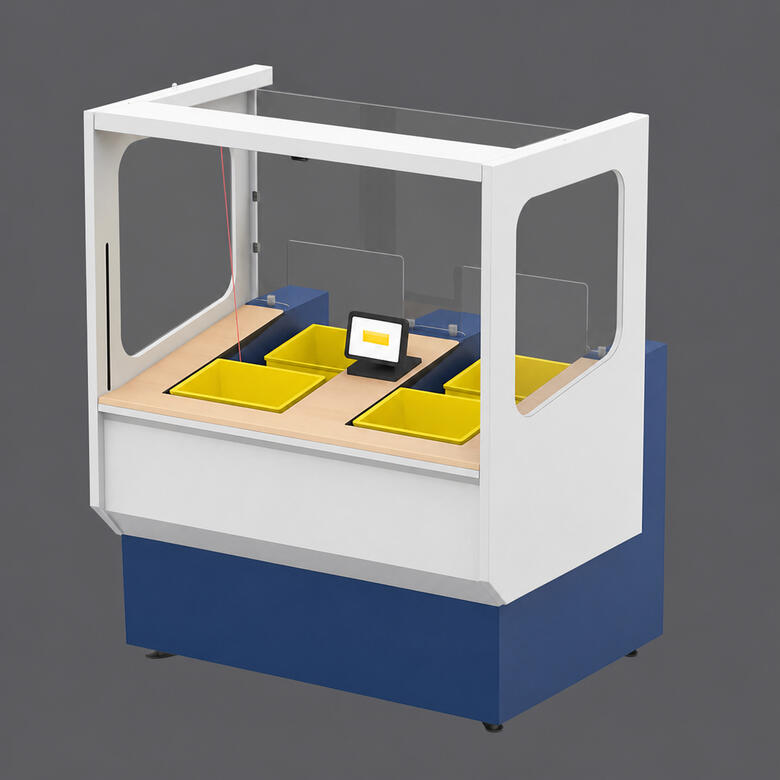
Highspeed Workstation Development
SpeedCom reflects the full journey from early product concept to prototype testing, market launch and series production. The article summarizes the key development phases, including engineering, cross-functional collaboration, endurance testing and the LogiMAT trade show presentation. It shows how a high-performance picking workstation was brought from an initial idea into Stöcklin’s product portfolio.
Digital Transformation
Computer Aided Design
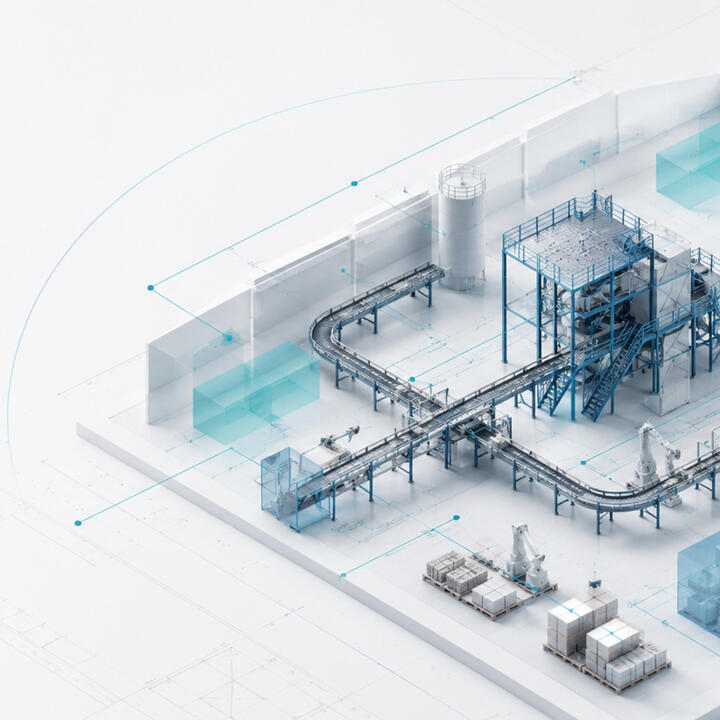
Digital Transformation Through 3D Layouting
Digital transformation creates value when process design, data structure and economic feasibility are aligned. This case study shows how a Revit-based 3D layouting process was evaluated as a foundation for better industrial project execution. It explains why 3D layouting should be treated as more than visualization and how structured models can support layout variants, handovers, quantity derivation and cross-department coordination.
Industrial Perspectives

Supply Chain Analysis
Measuring Global Logistics Performance
This article analyzes the World Bank’s Logistics Performance Index 2.0 report and explains why global trade moves faster in some countries than others. It compares postal, aviation and maritime logistics, showing how delivery speed, dwell time, port turnaround, connectivity and reliability shape logistics performance. It also explains why countries should be assessed by logistics mode and bottleneck, and what this means for sourcing, network design and supply chain risk.
Factory Systems
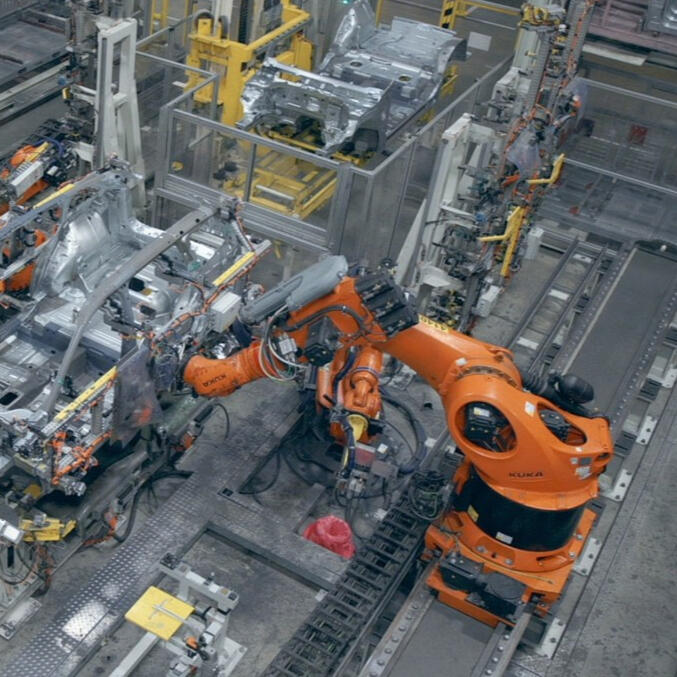
Inside UK Factories
Factory visits create value when production logic, automation level and supply chain context are understood together. This article reflects observations from MINI, Triumph, Morgan and Jaguar & Landrover and compares how different manufacturers approach scale, flexibility, ergonomics, bottlenecks, traceability and vertical integration. It shows why there is no single right production system and why industrialisation depends on product complexity, production volume and strategic positioning.
Economic Policy
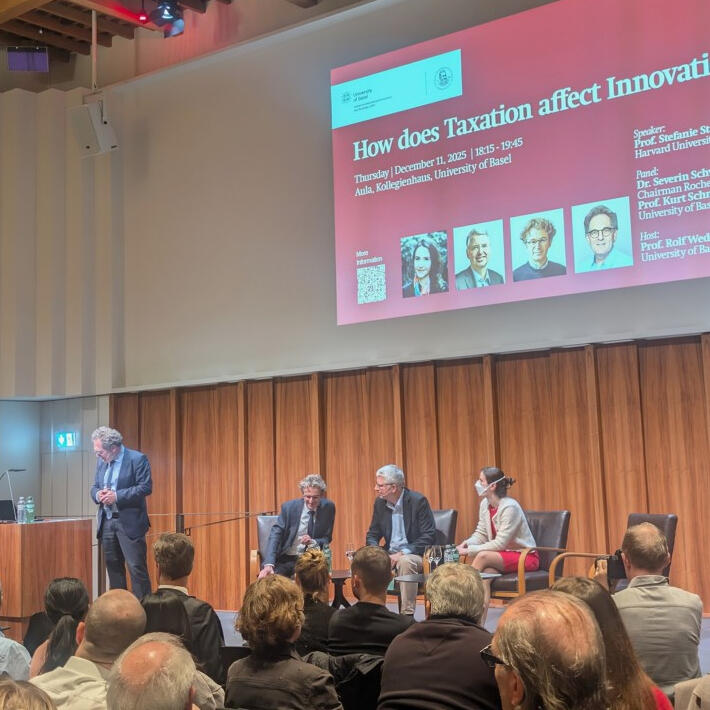
Taxation & Innovation
Innovation is shaped not only by talent and ideas, but also by tax policy, research ecosystems and talent mobility. This article reflects insights from a University of Basel lecture by Prof. Stefanie Stantcheva and explains how personal taxes, corporate taxes and local innovation ecosystems influence where top inventors work and how much they innovate. It shows why tax policy can affect innovation, but why education, research infrastructure and strong regional ecosystems are just as important.